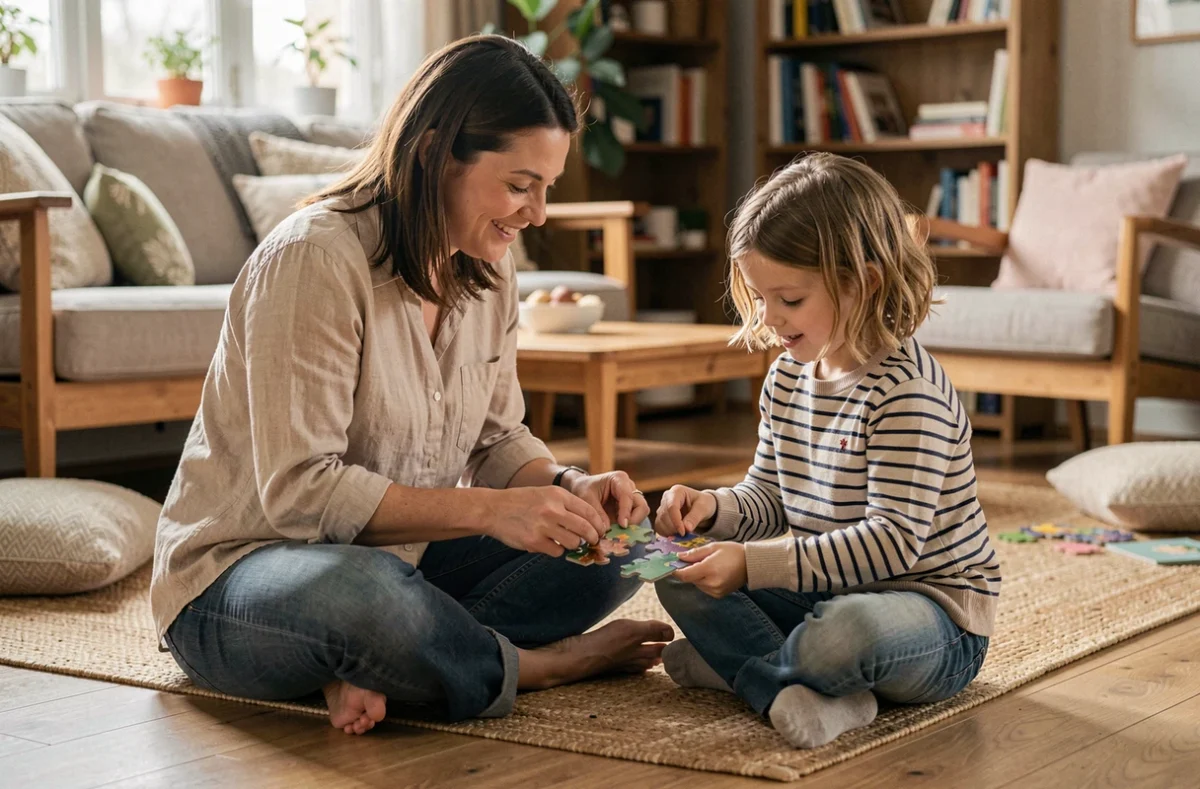
A child whose distress manifests mainly at school or in front of a screen challenges the usual parental response. Limiting tablet time or reminding them of the rules at home is not enough when the problem arises in a setting where parents have neither visibility nor direct influence. Supporting children day to day therefore means building a link between the family, the school and, where appropriate, mental health professionals.
School mental health protocol: what families can expect
For the 2025-2026 school year, the Ministry plans for schools to implement a mental health protocol and for each department to have a team bringing together health, social services and mental health professionals. This changes things for parents: it gives them a clear point of contact when a child shows signs of anxiety, withdrawal or unusual behaviour in class.
The usual response is to wait for the parent-teacher meeting to raise the issue. That is too late. As soon as a teacher reports a persistent difficulty (reduced participation, isolation during recess, sudden aggression), parents should ask to meet with the school’s health lead. The aim is not to make a diagnosis, but to open a regular channel of communication between school and home.
Additional resources can help parents better understand the support available, including https://enfant-1.com/, which brings together useful guidance on child development and support.
One point is often overlooked: the protocol only works if parents actively make use of it. School teams do not always alert families when they notice a child is struggling. Taking the initiative to get in touch, rather than waiting to be called in, turns the family-school relationship into a partnership rather than a one-way process.

Supporting children with screen use: moving beyond time limits
Setting a daily screen-time limit reassures parents without addressing the underlying issue. The Conseil supérieur des programmes recommends involving parents and schools in discussions about the role of screens, highlighting concerns around inappropriate content and cyberbullying. So the question is not how long, but what children are watching and who they are with.
A review by Santé publique France based on the Enabee survey of children aged 3 to 11 highlights the role of the family environment in shaping digital habits. It points to the value of prevention and parenting support to encourage healthy screen use. In other words, children tend to copy the digital habits they see adults practising.
Three practical ways to support healthy digital habits
- Watch or use an app with your child at least once a week to understand what they do online and create an opportunity to talk about what they see or how they feel online.
- Distinguish between passive use (scrolling, continuous viewing) and active use (creating, communicating with loved ones, researching a school project), and encourage the latter without demonising the former.
- Agree with the teacher on feedback about digital behaviours observed at school (use of IT equipment, interactions in class messaging groups) to identify differences between home and school.
We find that families who treat digital technology as a topic for conversation rather than something forbidden get better cooperation from their children, including during adolescence.
Recognising school bullying: the parental role goes beyond listening
Parents have a practical role to play in recognising school bullying. That role involves more than asking, “How was your day?” in the evening. Children who are being bullied almost always downplay the situation when asked a broad, general question.
Behavioural signs that deserve particular attention include:
- A sudden refusal to go to school without an identifiable medical reason, especially if the child previously enjoyed going.
- A change in route or repeated requests to change how they travel to school (being driven rather than taking the bus).
- School belongings repeatedly going missing or being damaged, with no explanation the child can give.
- Frantically checking their phone followed by a sudden change in mood, a common sign of cyberbullying.
When these signs appear, the most effective response is not to interrogate the child, but to put the situation in context. Sharing a similar experience involving someone else (a cousin, a film character) can encourage the child to open up without making them feel accused or labelled as a victim.
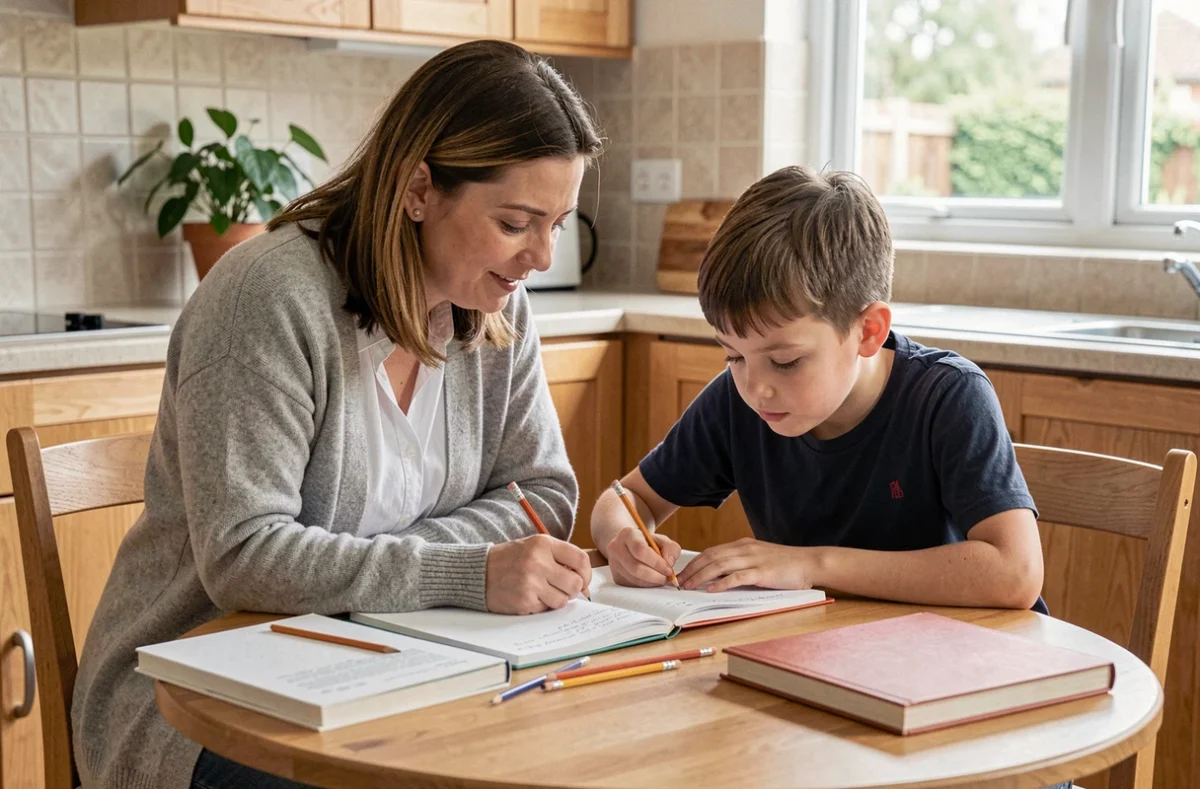
Coordinating the response between home and school
Reporting suspected bullying to the school should normally trigger a protocol. The pitfall is to assume that the process ends there. Regular follow-up with the school’s bullying lead (often the CPE or a member of the student support team) helps ensure the situation does not slip out of sight after the initial conversation.
Scheduling a check-in every two weeks, even a brief one, keeps the school accountable and shows the child that the adults are working together. This continuity between home and school creates a sense of security that neither can provide alone.
Children’s independence and shared learning goals
The family-school relationship can draw on clear learning goals to help children become more independent. When parents know exactly what their child is working on in class, they can support that learning at home without turning it into more schoolwork.
Asking the teacher for a list of the skills being covered during the term, rather than just a report card, makes it possible to identify obstacles before they lead to disengagement. A child who struggles with maths may have difficulty understanding instructions rather than doing calculations. Only a detailed conversation between parent and teacher can help identify the issue.
Encouraging independence in everyday life does not require grand declarations. Letting a child choose the order in which they do their homework, giving them responsibility for preparing one meal a week, or asking them to make their own request to an adult outside the family (a doctor, a librarian): these small acts of delegation build confidence without a lecture. The strongest family support is the kind that gradually enables a child to manage without it.