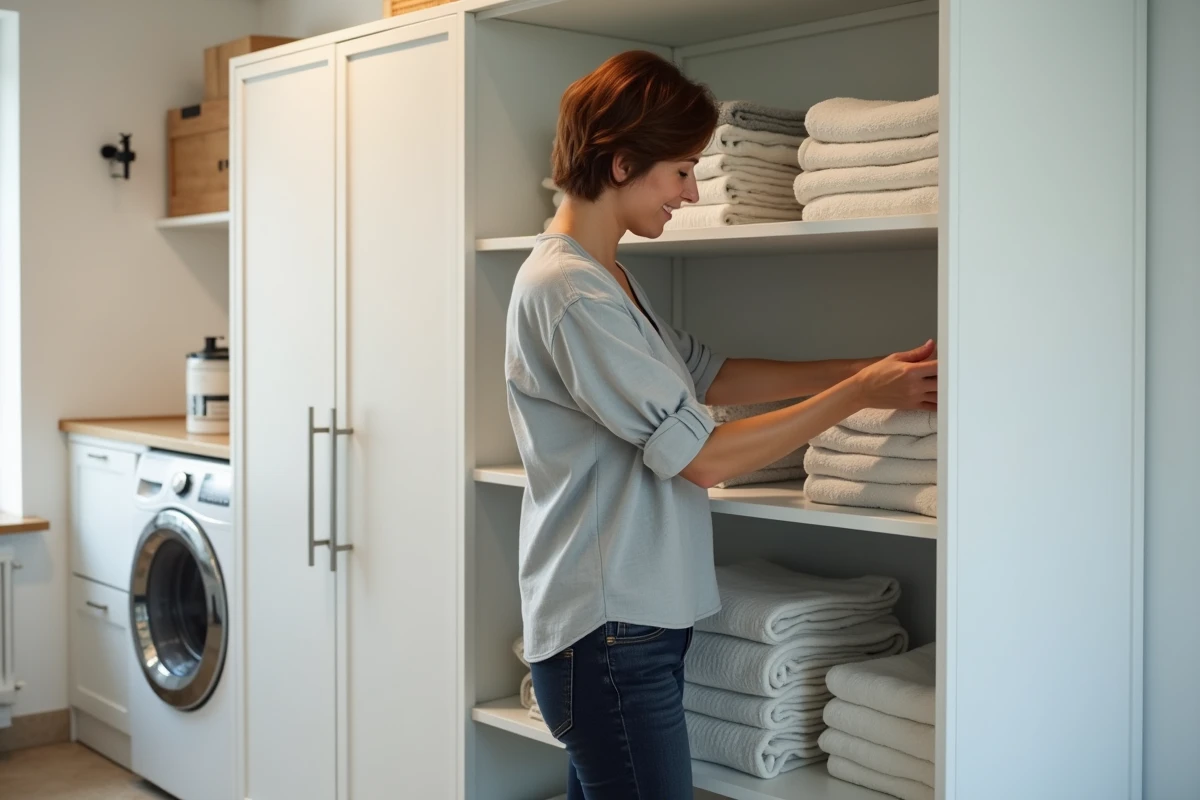
Polypropylene and resin are not equal. Choosing a plastic storage cabinet for the home means looking beyond the “plastic” label and understanding what distinguishes a technical resin from a low-quality polymer that is destined to yellow in two seasons.
Polypropylene, high-density resin, PVC: decoding the material before purchase
We observe three families of plastics in cabinets sold in DIY superstores. Polypropylene (PP) dominates the entry-level models: lightweight, easy to mold, but sensitive to UV without specific treatment. High-density resin, often made from polyethylene or composites, offers superior rigidity and better durability over time.
PVC, rarer in freestanding cabinets, is mainly found in small bathroom furniture. Its resistance to moisture is excellent, but its load capacity per shelf remains lower than that of a technical resin.
Since 2023-2024, some brands offer cabinets made from partially recycled resin, with the percentage of recycled material mentioned on the product sheet. This criterion, still marginal, is progressing in garage and outdoor ranges. When comparing plastic storage cabinets from Brico Dépôt, check the exact nature of the polymer rather than relying solely on the mention of “plastic.”
Load capacity per shelf: the criterion that product sheets minimize
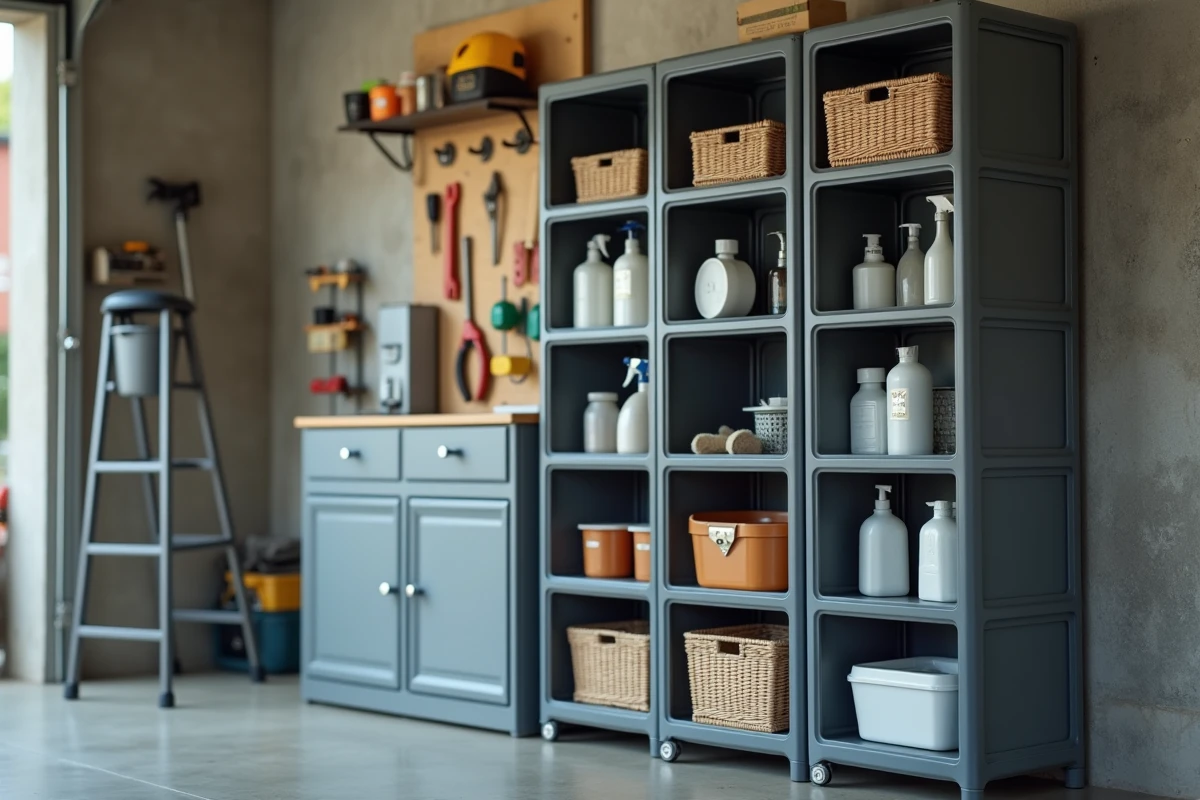
The maximum load per shelf is the main point of failure for plastic cabinets. Manufacturers advertise capacities per shelf, but these values assume an even weight distribution. Place a multi-liter can in the center of a thin PP shelf and the sagging will appear within a few weeks.
We recommend checking two elements before purchase:
- The thickness of the shelf and the presence of reinforcement ribs on its underside, which multiply the resistance to bending
- The shelf attachment system to the uprights, a simple notch fitting being less reliable than a clip lock with a stop
- The mention of a maximum load per shelf on the technical sheet, absent on the cheapest models
To store tools, boxes of screws, or cleaning products, a shelf that can support a significant load without sagging is the minimum. Below that, reserve the cabinet for lightweight items: rags, gardening accessories, leisure items.
UV resistance and mixed indoor-outdoor use
A plastic cabinet installed in an uninsulated garage, a glass-walled laundry room, or on a covered terrace faces stresses that the same piece of furniture will never encounter in a hallway. UV resistance determines the actual lifespan of the furniture.
Customer feedback points to two recurring degradations on plastics without UV treatment: gradual discoloration (anthracite gray turns to whitish gray) and cracking of the walls exposed to direct sunlight. These defects can appear as early as the second year.

Ranges labeled “outdoor” or “outdoor resin” generally incorporate a UV additive into the polymer mass. We recommend prioritizing these references even for indoor use in bright rooms. The additional cost remains modest compared to the premature replacement of a model that degrades.
Humidity and ventilation of the cabinet
In humid environments (laundry room, basement, garage), condensation can accumulate inside a closed cabinet. Some models feature integrated ventilation at the bottom or sides. In the absence of ventilation, regularly leaving the door ajar limits the development of mold on the stored contents.
Lockable plastic cabinet: security and real limits
Sets of lockable polypropylene cabinets (like the two-height format, high and low, sold together) are appealing for the garage or workshop. The ability to add a padlock to the doors protects hazardous products out of reach of children.
We temper this promise: a padlock on a plastic cabinet does not constitute a robust security device. A lever is enough to pry the doors apart without touching the lock. For the storage of phytosanitary or chemical products, regulations require ventilated metal cabinets. However, plastic locking is suitable to deter occasional access or organize a shared space.
Dimensions and modularity: adapting the cabinet to the room
Plastic cabinets follow standardized dimensions. Widths range from 65 to 80 cm, and depths from 35 to 45 cm. These compact dimensions allow placement in constrained spaces (garage corner, narrow pantry), but limit usable volume.
- For a pantry or kitchen, prefer narrow models with closely spaced shelves, suitable for boxes and cans
- For a garage or workshop, tall cabinets with spaced and adjustable shelves better accommodate bulky items
- For a child’s room or playroom, low models with drawers or removable bins facilitate independent access
Real modularity remains limited. Shelves are rarely height-adjustable on entry-level models. Check this point on the product sheet: a fixed spacing between shelves significantly reduces the versatility of the furniture.
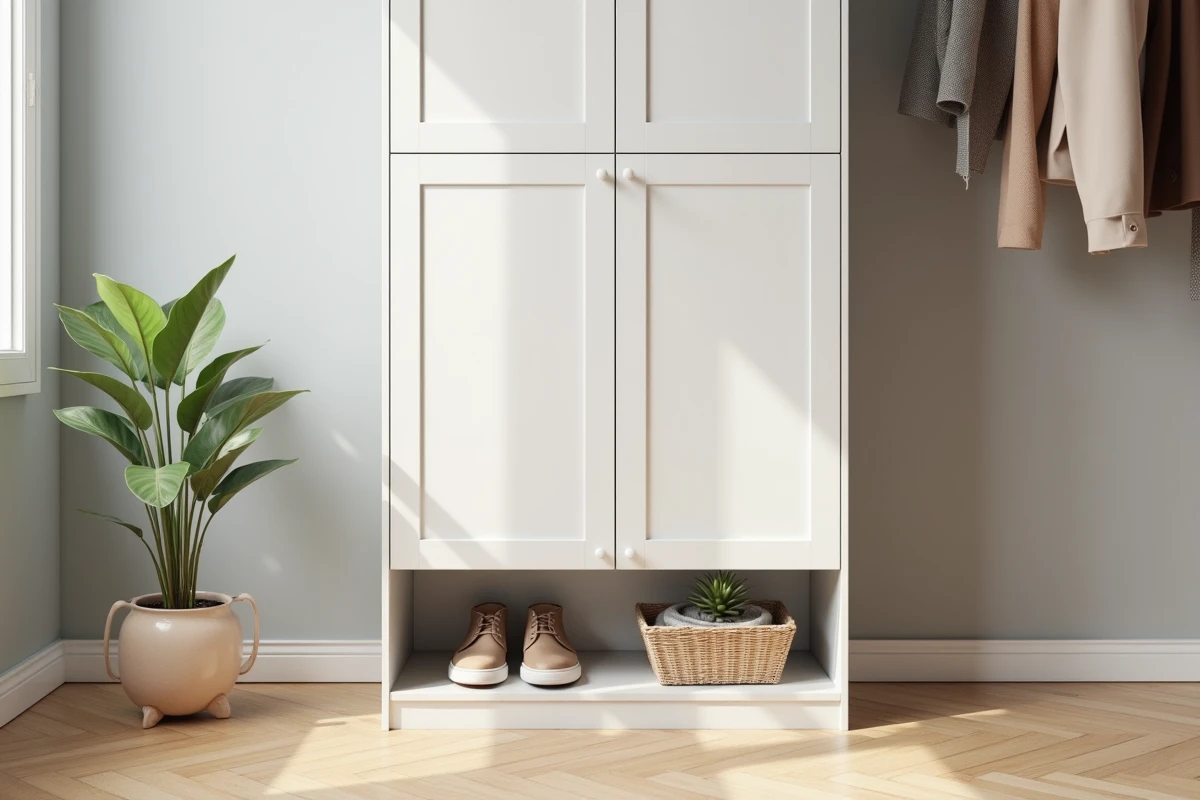
Ultimately, the choice of a plastic cabinet rests on three considerations: the nature of the polymer (standard PP or technical resin), the actual load capacity per shelf, and the presence of UV treatment if the location is exposed. A low purchase price does not compensate for premature replacement. It is better to move up a tier in quality and keep the furniture for a decade than to buy again every three years.