Let’s dive into the heart of car performance optimization, particularly the differences between stage 1 and stage 2 engine remapping. These two specific phases aim to improve the power and efficiency of the engine. Stage 1 primarily focuses on software modifications, meaning the reprogramming of the vehicle’s electronic control unit. Stage 2, on the other hand, tends to go further, involving hardware modifications, such as the addition of a new exhaust system or a more efficient intercooler. These respective stages provide a better understanding of enhancing your vehicle’s performance.
Engine Remapping: Two Distinct Stages for More Power
While stage 1 engine remapping already offers tangible benefits, it is nevertheless a first step towards maximizing vehicle performance. To go further, another option exists: stage 2 car.
Stage 2 is aimed at car enthusiasts who want to push their vehicle’s capabilities to a higher level. It is a natural progression after stage 1 and is characterized by its more intrusive approach to further enhance engine performance.
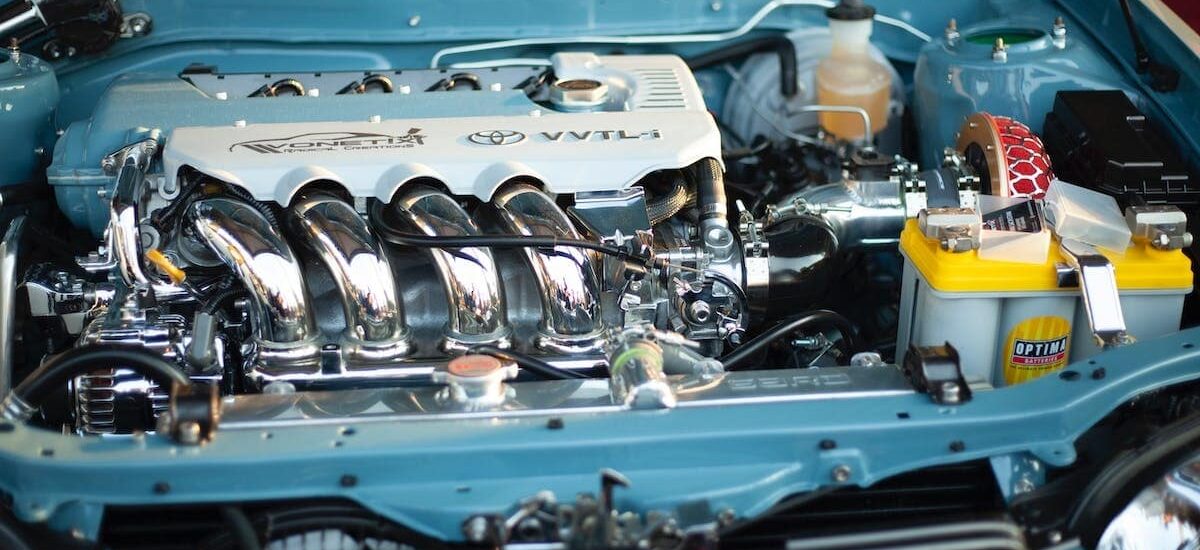
Carrying out such a project generally requires hardware modifications in addition to those made during the first stage. These changes may include the installation of a new sports exhaust, improving the air intake system, or modifying the turbo. The idea is not only to optimize each essential part of the engine but also to ensure that these elements can work in harmony to produce increased power as well as optimized road behavior.
Choosing a ‘stage 2 car’ potentially means gaining more power and enjoying your driving experience both daily and on the track, but it should be emphasized that such an approach also requires a much larger investment in terms of implementation as well as costs related to specific parts and their installation.
It is crucial to strictly adhere to local legal standards regarding modifications made to avoid any possible sanctions during annual technical inspections, for example.

Stage 1: Goals and Benefits of Engine Remapping
After making the necessary hardware modifications, the engine is ready to be reprogrammed more thoroughly. Stage 2 of engine remapping aims to fully leverage the improvements made.
One of the main advantages of stage 2 lies in the optimization of injection timing and ignition advance. These parameters are adjusted with great precision to provide a more efficient combustion, resulting in a significant increase in power and torque. Consequently, you will feel a notable gain in acceleration and overtaking.
Stage 2 also improves throttle response, making your car more responsive to driver inputs. You will notice better liveliness at startup and during gear changes.
Another major advantage of stage 2 is the possibility of increasing the engine’s RPM limit. This means you can further exploit your vehicle’s performance on the track or during sporty driving.
Stage 2: Specifics and Additional Power Gains
After addressing the main aspects of stage 2 engine remapping, it is important to note the key elements that distinguish stage 2, namely the need for additional hardware modifications to ensure optimal performance.
Indeed, unlike stage 1, which generally relies on software remapping, moving to stage 2 requires more extensive physical adaptations. This may include the addition of a more efficient air-to-air intercooler to improve thermal dissipation or the installation of new high-performance injectors to provide sufficient fuel flow.
The replacement of the exhaust system with a sports model is often recommended when moving to stage 2. This modification not only allows for better gas evacuation but also helps reduce back pressure, thereby further increasing the delivered power.
It is important to note that these hardware adjustments are specific to each vehicle and must be carried out carefully by an experienced professional. Poor installation could lead to costly or even irreversible damage to your engine.
Another notable distinction between stage 1 and stage 2 lies in their level of customization. While the first stage generally offers a more general approach aimed at improving overall engine performance, particularly in terms of high RPMs or by reworking torque curves, stage 2 allows for more in-depth customization.
Indeed, thanks to advanced diagnostic tools and increased expertise, the remapping specialist can further refine the engine parameters to precisely meet the driver’s needs and preferences. This means that each vehicle treated in stage 2 will be unique in its characteristics and technical adjustments.
Although stages 1 and 2 of engine remapping share the same goal of optimizing performance, it is essential to understand their technical differentiations. Moving to the higher stage not only requires specific hardware modifications but also allows for more in-depth customization of engine settings. To fully benefit from these improvements, consider consulting a qualified professional who can adapt their skills to your vehicle to optimize its performance while preserving its mechanical integrity.
Technical Differences Between the Two Stages of Engine Remapping
When considering a stage of engine remapping, certain precautions must be taken to ensure a positive and safe experience. Make sure to consult a reliable and experienced professional in the field of engine remapping. A competent specialist will be able to assess your vehicle, its overall condition, and its technical specifics before proceeding with any modifications.
It is advisable to check the references of the professional you choose. Take the time to review customer feedback, any certifications, and the history of the provider’s work. This will give you a clear idea of their reputation and level of expertise.
Inquire about the warranties offered by the professional regarding engine remapping. Strong warranties are essential to cover any issues that may arise following modifications made to the engine.
Do not hesitate to ask all your questions during your consultation with the engine remapping specialist. Inquire about the method used for programming as well as the expected results after each step of the process. Also, ask about any potential limitations related to your vehicle or what the possible impact on fuel consumption might be.
It may be wise to request concrete examples or testimonials to get a better idea of the work accomplished by this professional. This way, you could have a clearer vision of the results achieved on other vehicles similar to yours.
Also, consider the legal aspects related to engine remapping. Inquire about the regulations in force in your country or region regarding these modifications to ensure that everything is done in compliance with the law and without risk of future sanctions.
Precautions to Take Before Choosing Your Engine Remapping Stage
The choice between stage 1 and stage 2 engine remapping for your car will depend on your specific performance needs. Stage 1 is ideal for those who want a slight improvement in performance without compromising engine durability. It offers a moderate increase in power and torque, while preserving the internal components of the engine.
On the other hand, stage 2 is suitable for more demanding drivers or car enthusiasts who desire superior performance. This stage generally requires additional modifications such as the installation of a new sports exhaust or improving the air intake system. With stage 2, you can expect a significant increase in power and torque, as well as a quicker throttle response.
It should be noted that each vehicle has its own technical and mechanical limitations. Before making a definitive decision regarding the choice between stage 1 and stage 2, it is essential to consult an engine remapping expert who can evaluate your specific vehicle and advise you on the most appropriate options.