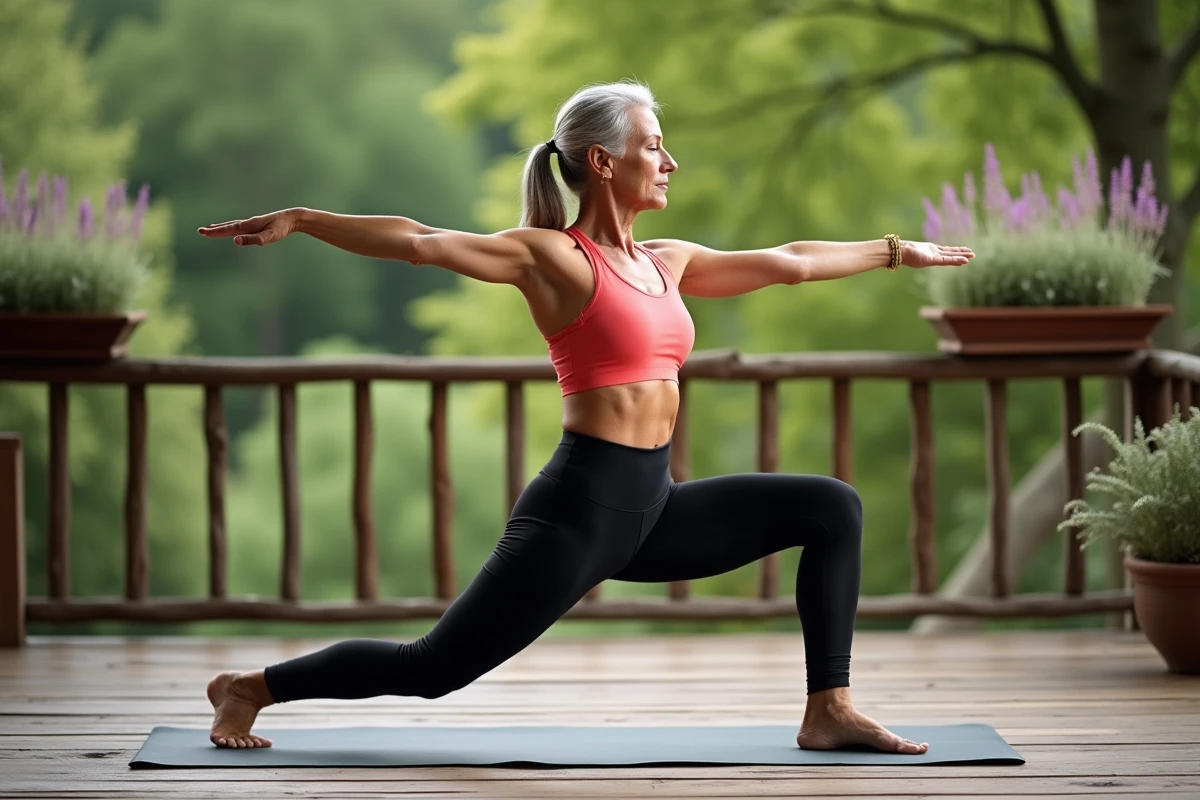
After 50, the body sends new signals: slower recovery, morning stiffness, shortness of breath during exertion. These changes are not inevitable. They mark the moment when habits taken (or neglected) produce their most visible effects. Staying active after 50 is not just about “doing sports”: it’s a set of daily choices that affect movement, emotional life, and mental health.
Resources like Jeune Senior help to better understand the challenges of this period and identify concrete paths tailored to each situation.
Fragility after 50: the risk that no one monitors early enough
Most articles talk about “staying fit.” The real issue, more precise and useful, concerns the prevention of fragility. This term refers to a decrease in the body’s functional reserve: less muscle strength, less stable balance, reduced recovery capacity after exertion or illness.
This fragility does not occur at 70 or 80 years old. It often begins to set in as early as 50-55 years old, silently. A sedentary 52-year-old who gradually loses muscle mass does not notice it in daily life, until the day a trivial fall causes a fracture.
Have you noticed that you climb stairs more slowly than five years ago? This is not trivial. It is a functional marker that deserves attention. Regular physical activity combining strength, endurance, and balance significantly delays the onset of this fragility.
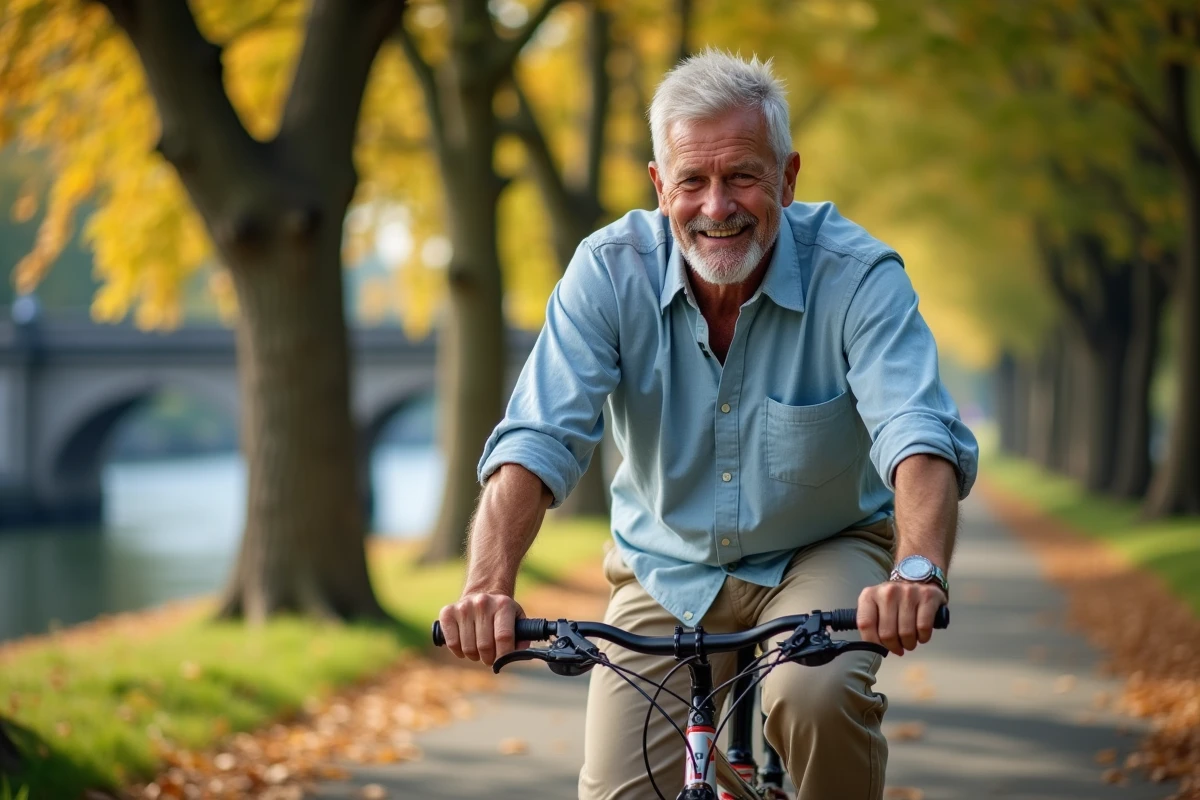
Strength training and balance after 50: two priorities, not an option
When we think “stay active,” we often think of walking or swimming. These activities are useful for breathing and the cardiovascular system. They are not enough.
Why strength training changes the game
After 50, the body naturally loses muscle mass each year. This phenomenon, called sarcopenia, accelerates if nothing is done. Strength training slows this loss and protects the joints.
No need to lift heavy weights. Bodyweight exercises (squats, adapted push-ups, lunges) practiced two to three times a week produce measurable results in a few months. The gains are felt in daily movements: carrying groceries, getting up from a chair, gardening without pain.
Balance, the neglected aspect of programs
Falls represent a major risk with age. Working on balance requires no equipment or gym. Here are a few concrete examples:
- Stand on one foot for 30 seconds while brushing your teeth, then switch
- Walk in a straight line heel-to-toe for a few meters, as if on an imaginary beam
- Get up from a chair without using your hands, slowly, five times in a row
Incorporating these balance exercises into daily life reduces the risk of falling much more effectively than an isolated weekly session.
Physical activity and mental health after 50: an underestimated link
There is much talk about the physical benefits of movement. Less is said about its impact on mental health, even though it may be the most transformative effect after 50.
Research in aging psychology shows that increasing physical activity levels after 50 reduces depressive symptoms, even when starting late. It’s not a question of extreme intensity. Moderate to vigorous activity, practiced regularly, is enough to produce lasting emotional well-being.
Specifically, a 55-year-old who starts brisk walking three times a week often notices an improvement in mood and sleep within a few weeks. The mechanism involves hormonal regulation, reduced cortisol, and stimulation of endorphin production.
This point is even more significant as the fifties often coincide with life transitions (children leaving home, career changes, personal questioning) that can undermine emotional balance.
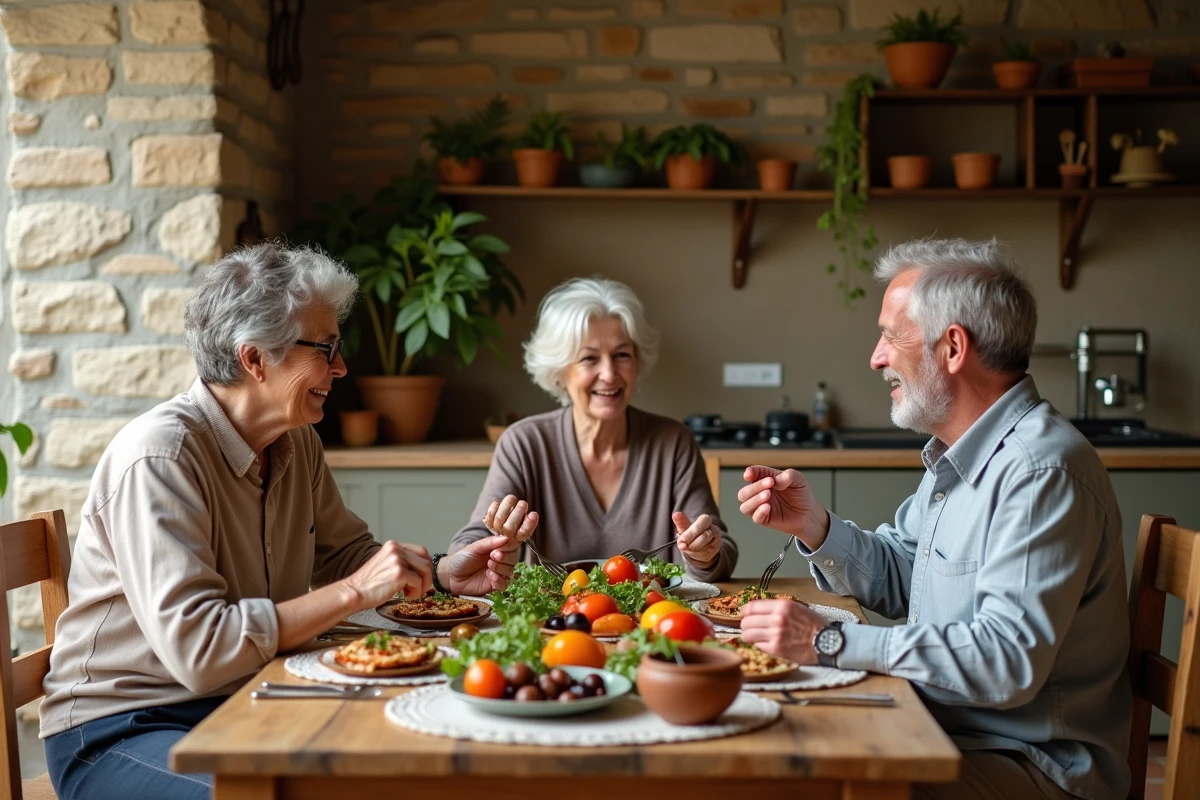
Couple projects and social life: the invisible engine of vitality
Staying dynamic after 50 is not just about a gym or hiking trail. The quality of emotional bonds and shared projects nourishes the feeling of vitality as much as physical effort.
Why this link? Because the brain needs perspectives. A trip to plan, a dance class for two, a community engagement: these projects create positive anticipation. They provide a reason to get up in the morning that goes beyond simple routine.
For couples, continuing to build together (rather than just cohabiting) strengthens complicity and the feeling that life remains open. Quality moments together, even short ones, maintain an emotional dynamic that reflects on overall energy.
For single individuals, the same mechanism activates through friendships, group activities, or volunteering. Social isolation accelerates cognitive and physical decline: maintaining an active circle is not a luxury, it’s protection.
Building a realistic sports routine after 50
The classic trap after 50 is to resume an activity with the intensity of your 30s, get injured, and then give up. A gradual and realistic approach works better in the long run.
- Start with two sessions of 20 to 30 minutes per week, no more
- Alternate strength training and cardio activity (brisk walking, cycling, swimming)
- Add balance and flexibility work to each session, even five minutes
- Increase duration or intensity only after three to four weeks without pain
A often overlooked point: regularity matters more than intensity. Three moderate sessions per week yield more benefits than one intense session followed by ten days of inactivity. The body after 50 responds better to consistency than to bursts.
Consulting a healthcare professional before resuming physical activity remains a useful precaution, especially to check cardiovascular health and adapt exercises to any joint constraints.
The fifties are not the beginning of a programmed decline. It is the moment when each choice weighs more, for better or for worse. Moving regularly, maintaining connections, embarking on projects: these three axes, combined, form the foundation of a second phase of life where one does not suffer from the passage of time.