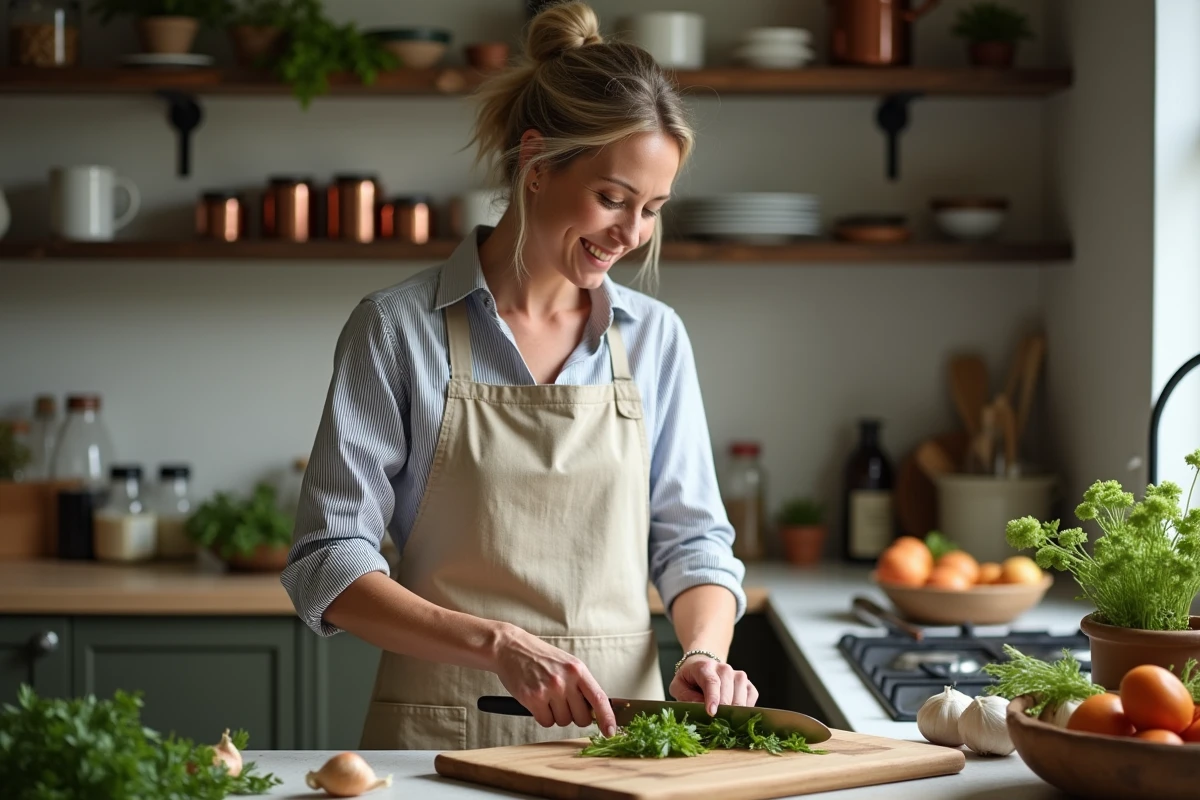
On a Tuesday evening, there are some leftover zucchini, a piece of feta, and pasta in the cupboard. No recipe at hand, no desire to scroll for twenty minutes. Yet it’s in these moments that the true everyday cooking happens, where we make do with what we have, the time we don’t have, and the energy that’s lacking.
Cooking with leftovers: the constraint that sparks creativity
We often talk about anti-waste as a virtuous act. In practice, it’s mostly a matter of logistics. A vegetable that softens in the drawer, a leftover roast chicken from Sunday, the end of a jar of crème fraîche: these leftovers dictate the meal more surely than a cookbook.
The most effective reflex is to have three or four adaptable recipe bases. A crustless quiche (eggs, cream, the vegetable of the moment) can be prepared in less than ten minutes of active work. A stir-fried rice can absorb just about anything lying around in the fridge, provided you have soy sauce and a dash of sesame oil.
To explore other combinations of this type, cooking on Gourmandel gathers recipes designed around common ingredients, which avoids running to the supermarket for a single missing condiment.
A common mistake: wanting to follow a recipe to the letter when an ingredient is missing. The result is often abandonment or an unnecessary trip to the checkout. It’s better to learn to substitute. Plain yogurt replaces cream in a sauce. Stale bread blended serves as breadcrumbs. This is not wild improvisation; it’s culinary common sense.
Batch cooking: preparing your meals for the week without spending Sunday on it
Batch cooking is making a comeback in all recent culinary content, and for good reason: preparing several meals in one session reduces stress on weeknights. Feedback on this point varies, with some finding the method liberating and others tiring after a few weeks.
The key is not to aim for perfection. We don’t prepare five complete dishes on Sunday. We prepare building blocks:
- A base of grains (rice, quinoa, bulgur) cooked in large quantities, reusable in salads, as a side dish, or in a gratin
- A batch of roasted vegetables (carrots, sweet potatoes, peppers) that can be eaten as is or slipped into a tart
- A homemade sauce (tomato sauce, pesto, vinaigrette) stored in a jar to season any dish in two minutes
The organization of containers is just as important as the preparation itself. Well-sealed glass jars, labeled with the intended day, avoid the “mystery fridge” effect on Thursday nights. You save time on cooking by using the oven for several preparations simultaneously, which the specialized articles from CuisineAZ on batch cooking also recommend.
Adapting batch cooking to your budget
Buying seasonal vegetables in larger quantities is the most direct lever to reduce meal costs without sacrificing flavors. Right now, zucchinis, tomatoes, and eggplants are significantly cheaper than in winter. We prepare them in ratatouille, tian, or pasta sauce.
The cheapest proteins (eggs, lentils, chickpeas) store easily and integrate into most everyday recipes. A chickpea curry can feed an entire family for a minimal cost.
Quick recipes: what “ready in 30 minutes” really means
Recipes claiming a short preparation time are abundant online. What we often forget is that the timer does not account for the time to take out the ingredients, nor the time to wash the cutting board, nor the five minutes spent looking for the right knife.
A truly quick recipe is one with few ingredients and minimal dishes. Three concrete examples that hold this promise:
- Aglio e olio pasta: garlic, olive oil, chili, parmesan. While the water boils, the sauce is ready
- A composed salad with a base of raw vegetables, a protein (canned tuna, hard-boiled egg, leftover chicken), and a homemade vinaigrette
- A baked croque-monsieur with ham, cheese, and an express béchamel (butter, flour, milk, nutmeg)
Speed in cooking relies less on cutting speed than on mental preparation. Reading the entire recipe before taking out the first ingredient is the most underestimated advice. It avoids back-and-forth trips to the cupboard, forgetting to preheat the oven, and downtime.
Everyday flavors: breaking the routine without complicating things
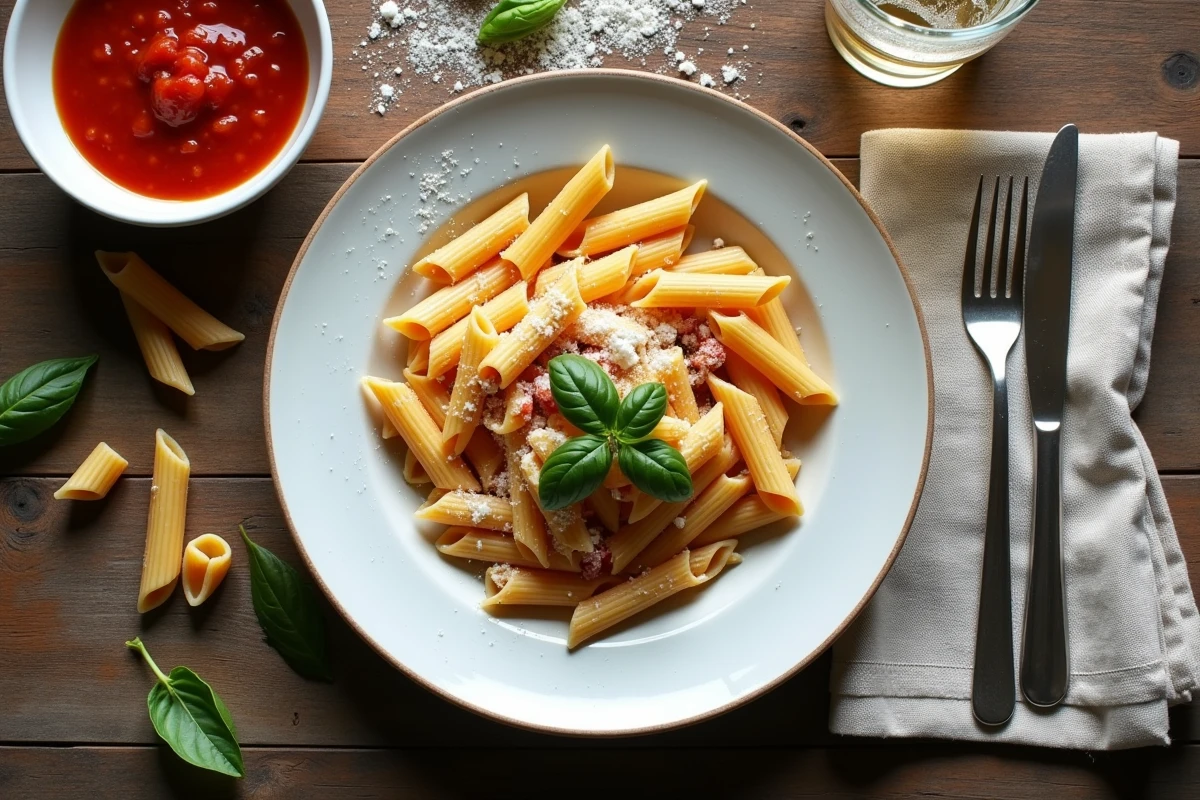
When cooking every day, monotony sets in quickly. The same pasta, the same salad, the same rice dish. Yet, just one new condiment can transform a familiar dish.
Miso, for example, added to a vinaigrette or marinade, completely changes the profile of a roasted vegetable. Harissa adds depth to a simple lentil soup. Zaatar sprinkled on toasted bread with a drizzle of olive oil produces a result that is worlds apart from the usual toast.
You don’t need to master Thai or Peruvian cuisine to vary your pleasures. Just adding one or two exotic ingredients to recipes you already know is enough. Variety comes from seasonings, not from technical complexity.
Fresh herbs and acids: the duo that changes everything
A dish that seems bland often lacks acidity or freshness, not salt. A squeeze of lemon juice in a risotto, a handful of cilantro on a curry, chopped parsley in a tomato sauce just before serving. These last-minute additions cost almost nothing and transform the result.
Cider vinegar also works very well for deglazing a pan after cooking meat or mushrooms, creating an express sauce full of flavor.
Everyday cooking requires neither special talent nor expensive equipment. It relies on a few simple habits: planning with batch cooking, accepting the imperfection of transformed leftovers, and keeping a handful of condiments in your cupboard that can elevate any dish from monotony.